
Charting a Responsible Energy Transition Journey
May 04, 2026
As electricity demand accelerates, driven by industrial growth, urbanisation and expanding electrification, energy systems are under increasing strain. At the same time, countries are adding cleaner power to cut emissions and meet climate commitments. The energy transition has since entered a more complex phase, where progress depends not only on scaling low-carbon capacity, but on keeping power reliable, secure and affordable within real system constraints.
The initial phase of the transition focused on deploying renewable energy at speed and scale. That approach delivered rapid capacity growth, but it has also exposed new challenges as variable generation increases. Intermittency, grid limitations and increasing cost pressures are testing system resilience, shifting the focus from adding capacity to managing how power systems operate day to day.
As the energy transition enters a demanding phase, reliable execution has become the differentiator. At Sembcorp, we approach climate action through the lens of responsible, long term value creation for a diverse group of stakeholders. Our Climate Action Plan aligns climate ambition with the practical needs of governments, businesses and communities. Investments across renewables, enabling infrastructure and reliable supply support economic growth while strengthening energy security across our markets. This reflects a disciplined approach that balances ambition with system realities.
Asia at the centre of global energy growth
Balancing cleaner energy with reliable and secure supply is especially challenging in Asia. The region is expected to account for nearly 80% of global electricity demand growth through 20301 , driven by rapid economic development and industrial expansion. Increased electrification, alongside growth in data centres, advanced manufacturing and semiconductors, is reshaping power demand and placing emphasis on system reliability.
At the same time, Asia’s energy transition is unfolding across highly differentiated markets. Countries are pursuing net zero ambitions at varying speeds, shaped by resource endowments, policy frameworks, institutional capacity and access to financing. For many emerging economies, ensuring reliable access to energy remains fundamental.
As a result, Asia’s energy landscape is both diverse and complex. Meeting transition objectives will require approaches that reflect local market conditions rather than uniform solutions. Each country’s progress will depend on deploying technologies and business models that can operate across different regulatory, infrastructure and demand environments.
Navigating the energy trilemma
These differences across markets make the energy trilemma more pronounced, as countries seek to balance energy security, accessibility and sustainability. As renewable energy deployment increases, intermittency must be actively managed to preserve system reliability. This elevates the importance of energy storage, grid infrastructure and system flexibility to be as critical as generating capacity itself. In this phase of the transition, energy security is fundamentally about system resilience – the ability to deliver reliable power under increasing variable conditions, while balancing sustainability and accessibility.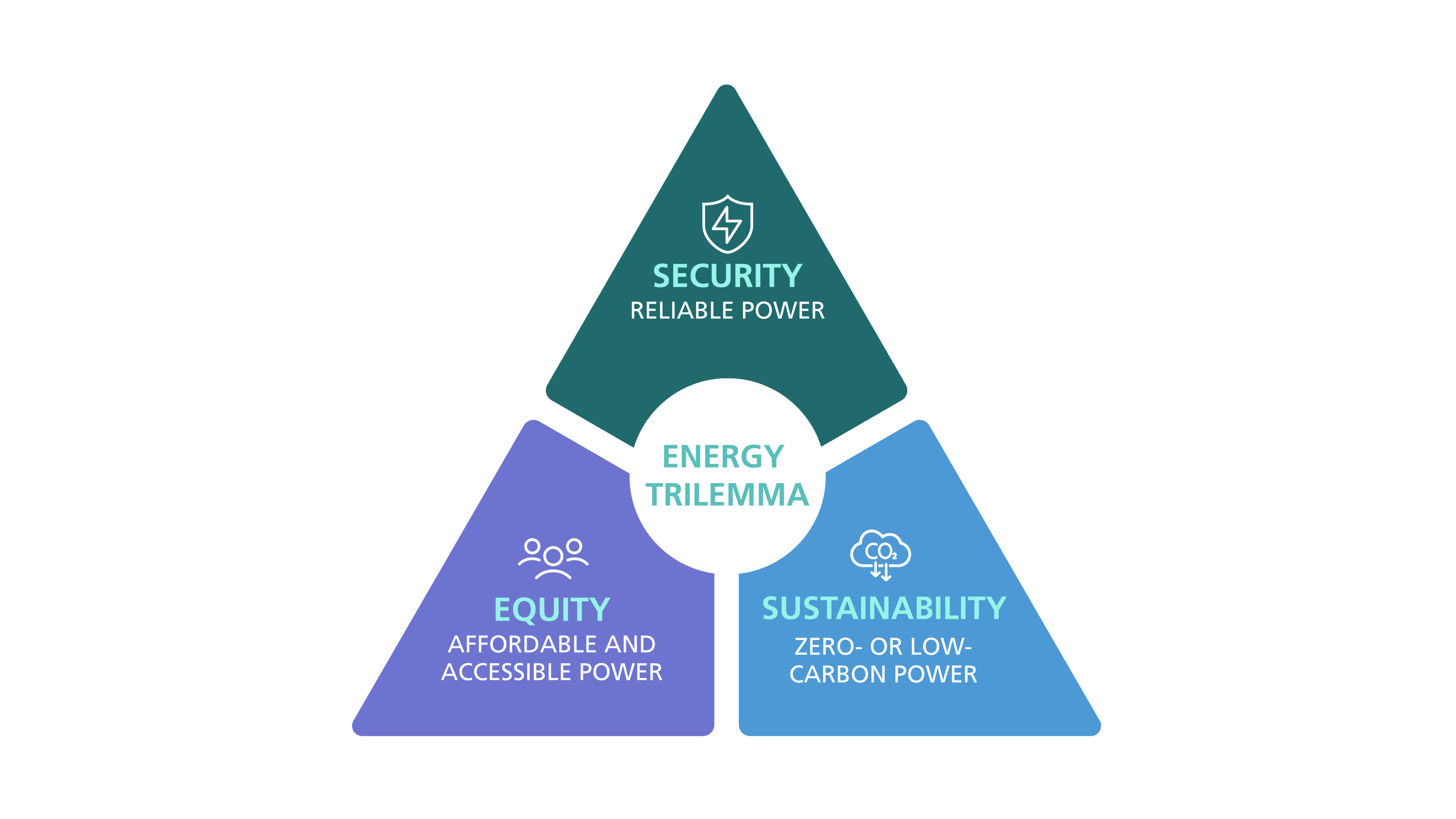
The energy trilemma highlights the challenge of balancing energy security, sustainability and equity as power systems evolve.
Robust policy and regulatory frameworks are equally important. They provide the long-term certainty needed to mobilise investment at scale, enabling a diversified energy mix that strengthens system resilience and helps countries balance security, affordability and sustainability. Without stable frameworks, investment and deployment can become fragmented across markets, weakening market confidence and undermining energy security.
Against this backdrop, energy companies play a critical role in turning ambition into dependable outcomes. Navigating the energy trilemma requires solutions that work within system and market constraints. At Sembcorp, this is reflected in a systems-led approach across our portfolio. With a diversified presence across Asia and other regions, we scale clean energy while working within system and market constraints to manage reliability and security.
Over the past five years, we have reshaped our portfolio to support this transition. Our gross renewable energy capacity has expanded more than six fold, growing from approximately 3.2GW to over 20GW2 today across solar, wind, hydropower and energy storage.
With growing renewables deployment, system stability becomes critical. In many of our markets, gas plays an essential role in ensuring reliable and affordable power supply. This reflects the need for a pragmatic transition that recognises current system constraints, even as we invest in technologies that can complement renewable energy and progressively reduce emissions over time.
Targets grounded in system realities
Our Climate Action Plan reflects the evolving realities of the global energy transition, particularly rising electricity demand and the need to balance energy security, accessibility and sustainability. It builds on Sembcorp’s early achievement of its 2025 emissions intensity target in 2023 and reaffirms the Group’s long-term commitment to net-zero emissions.
Following the proposed acquisition of Alinta Energy, Sembcorp’s reported emissions is expected to increase in the near term once we include Alinta Energy’s portfolio, before it declines over time. As such, we anticipate not meeting our 2028 emissions intensity target and 2030 absolute emissions target set in 2023, and we have updated our emissions intensity target to 0.26tCO₂e/MWh by 2035. This reflects the scale and composition of the enlarged portfolio, including the continued role of reliable baseload and dispatchable capacity in maintaining system reliability and energy security as renewable capacity continues to scale.
Recognising that the pace and pathway to net zero are dependent on each country’s capacities, constraints and local realities, we adopted a country-specific lens to chart our transition. We used publicly available scenario datasets, including regional or country-level scenarios published or referenced by the Intergovernmental Panel on Climate Change 6th Assessment Report and third-party databases. These scenarios reflect structural differences across countries and the distinct role each market plays in Sembcorp’s portfolio. Country-level emissions trajectories are weighted based on Sembcorp’s country exposure and aggregated to derive the Group’s overall transition pathway.
A multi-faceted transition
Delivering a responsible transition requires action across several fronts such as grid infrastructure and system operations, as well as coordination among many players. Power systems must decarbonise while continuing to meet rising demand, maintain reliability and ensure energy security. This means addressing how energy is stored, managed and integrated into existing systems, alongside the pace at which new technologies can be deployed at scale.
We focus on the areas where we can make the most meaningful contribution. These include scaling renewable energy and energy storage, managing and reducing emissions across our existing portfolio through optimisation and capital recycling, and investing in emerging low carbon solutions.
New technologies will play an increasingly important role. We are investing in areas such as green hydrogen, biomethane and solid oxide fuel cells. Our 600MW hydrogen ready combined cycle power plant on Jurong Island, scheduled to begin operations in 2026, illustrates how near term efficiency gains can be paired with future ready infrastructure to support decarbonisation.
An inclusive transition with shared progress
A responsible energy transition must work for people and communities too. Through our community investments, we aim to improve access to clean energy. Since 2022, we have supported the solarisation of more than 110 community facilities across our markets. These projects have generated over 930,000kWh of solar energy, resulting in 654,000kgCO₂e of avoided emissions. In parallel, we are strengthening local capabilities through solar related training delivered across partner organisations, while initiatives such as the Sembcorp Energy for Good Fund support decarbonisation efforts in the charity sector. Together, these efforts reflect our belief that sustainability must deliver tangible benefits for communities and enable shared progress.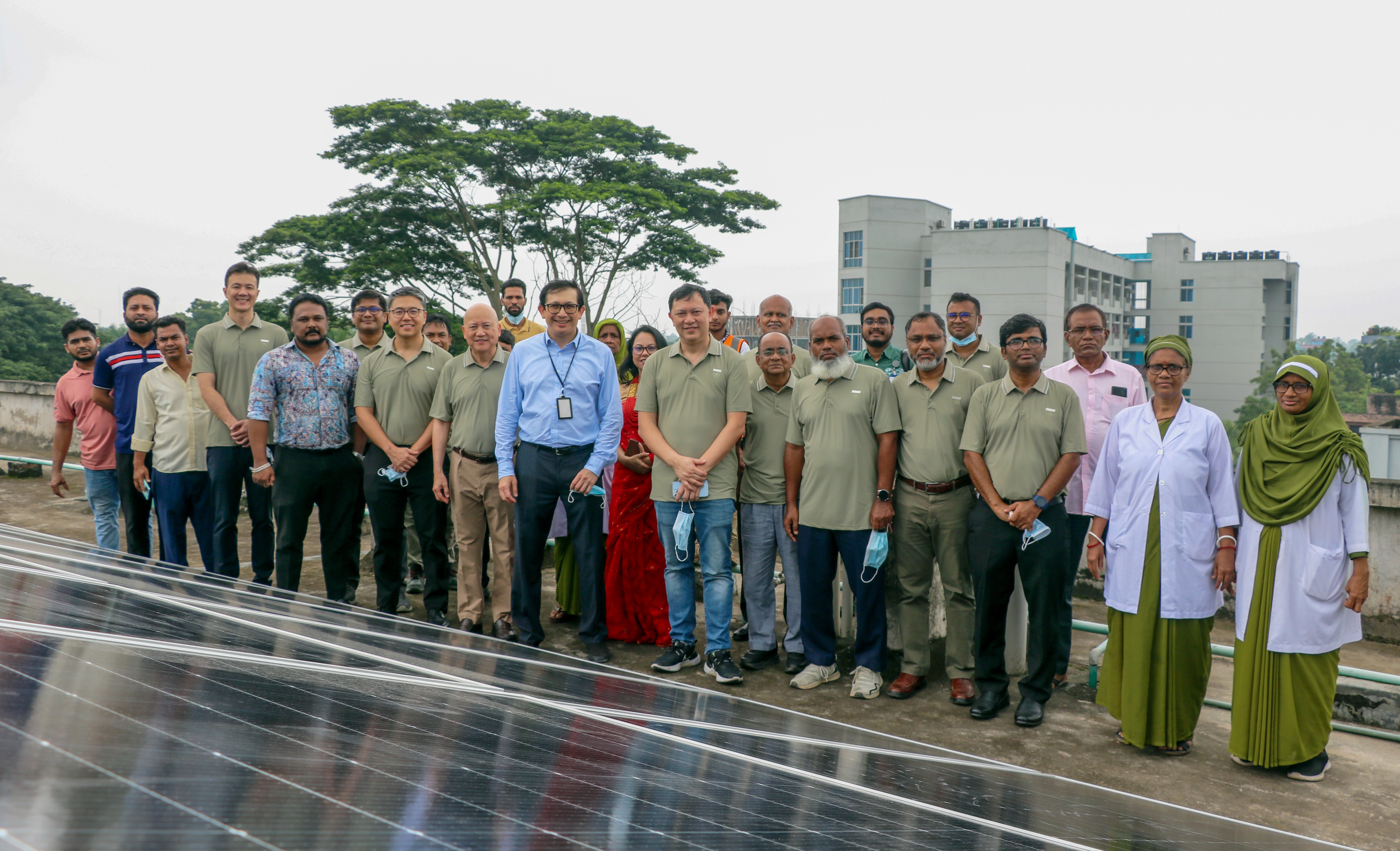
In 2025, we collaborated with Sirajganj General Hospital in Bangladesh to commission a 21kWp solar energy system with battery backup, supporting cleaner and more reliable power for critical healthcare services.
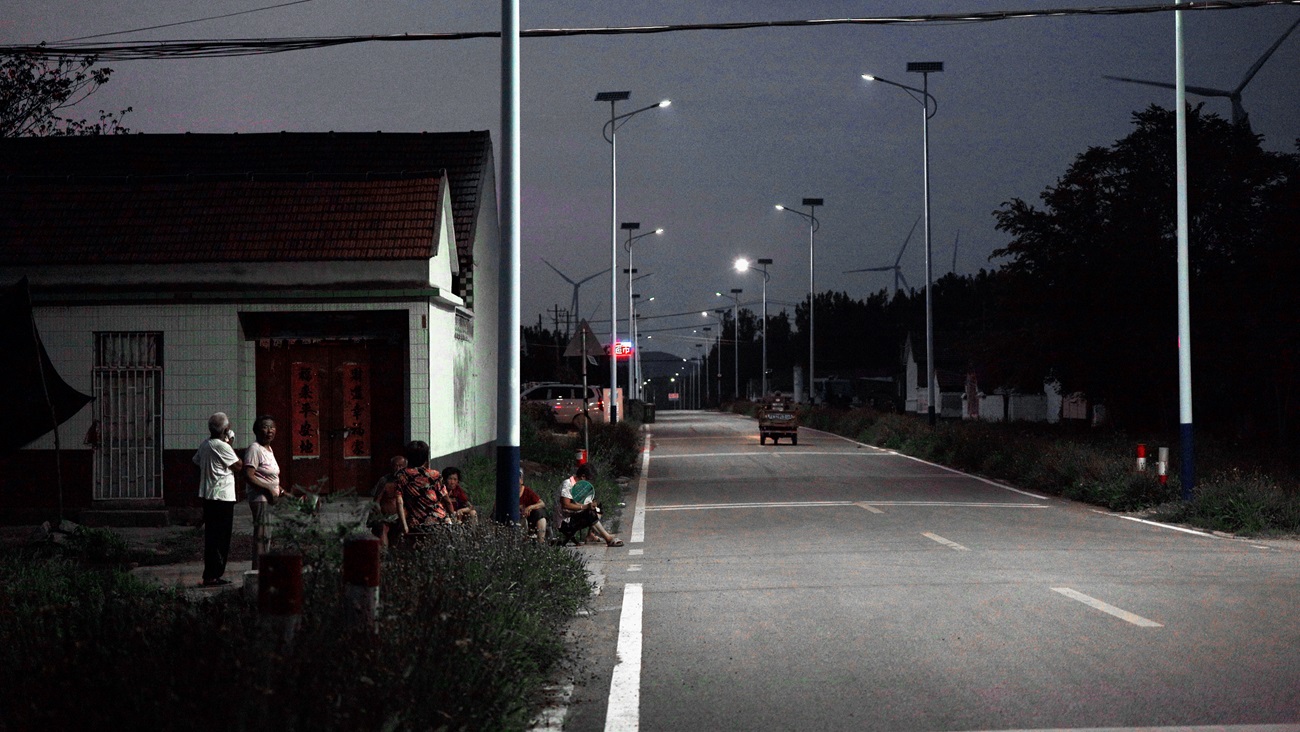
In 2024, we installed solar street lights in Shandong, China to improve road visibility and safety at night. To date, the installation has generated 86,000kWh of solar energy and avoided 68,000kgCO2e of greenhouse gas emissions.
Enabling a meaningful energy transition
Asia’s energy transition will play a defining role in shaping global decarbonisation outcomes. Rapid demand growth and diverse national circumstances reinforce the need for practical, inclusive and well executed approaches.
For Sembcorp, advancing climate ambition means working within system realities and embedding sustainability into long term strategy. Through collaboration with governments, businesses, investors and communities, we support decarbonisation while continuing to meet energy demand, reliability and security needs.
Ultimately, a responsible energy transition succeeds when ambition is matched by execution, collaboration and the discipline to deliver dependable outcomes for all.
2 As of April 2026